Loading
Material
Granulated blast furnace slag
GBFS is the raw granule. GGBFS is what a processor makes after drying and grinding it. GulfGran supplies the raw material and coordinates bulk delivery to qualified buyers. We do not sell ground slag cement as if it were the same product.
What GBFS is
Granulated blast furnace slag is a co-product of ironmaking. Inside a blast furnace, iron-bearing materials, fuel, and flux produce molten iron and a separate molten slag. When that slag is quenched rapidly with water, it freezes as glassy granules about the size of coarse sand. The trade often calls this slag sand.
The granule is not air-cooled lump slag, and it is not a finished cement. Its value to a grinder is latent: the glass can become reactive once the material is dried and milled to cement fineness. Until that happens, it is a bulk raw material that has to be sampled, stored, and moved as granules.
A name on an offer is not proof of origin. The relevant question is whether the lot comes from blast-furnace iron production and whether the chemistry, glass, moisture, and sizing fit the receiver’s specification.
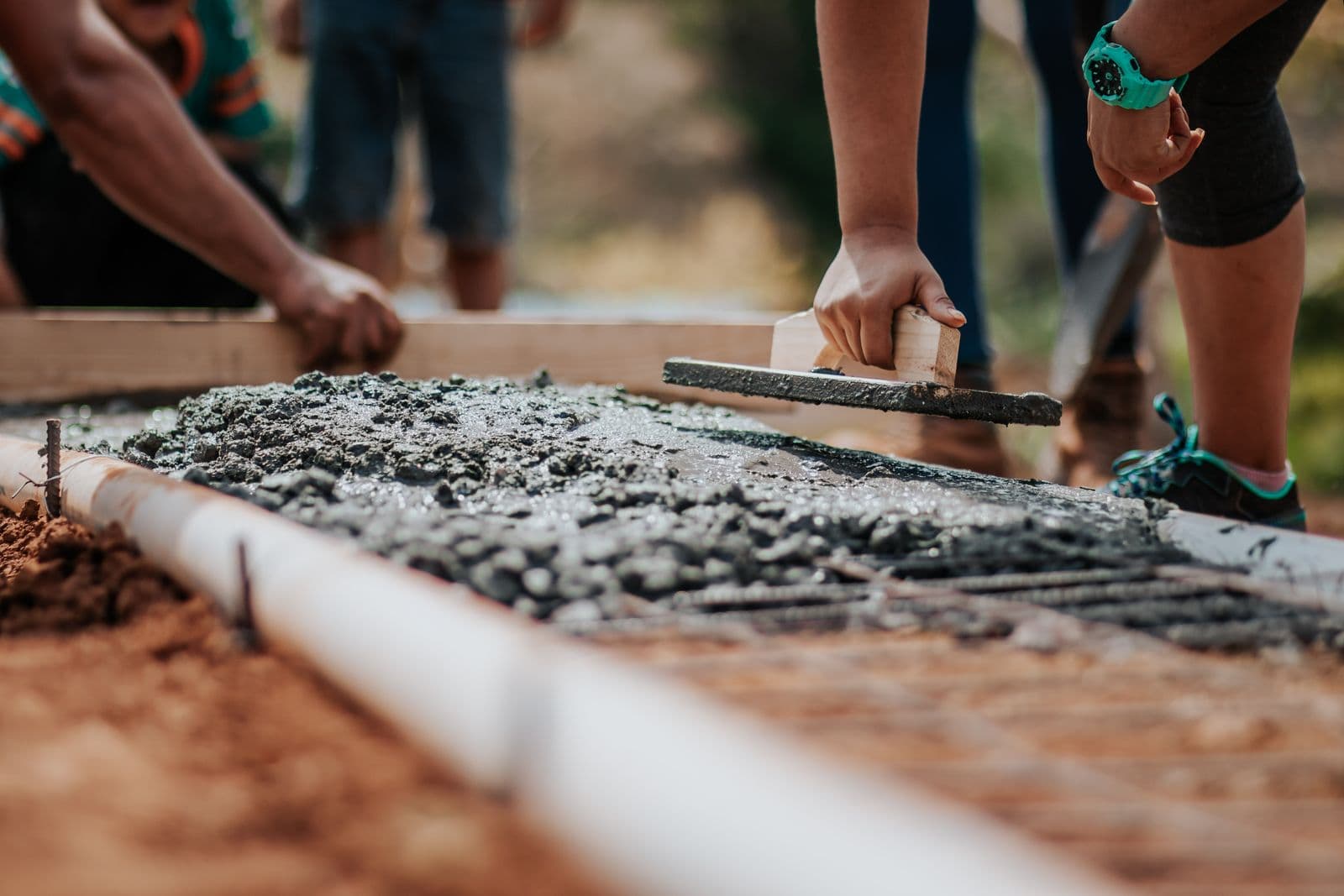
How the granule is made
GulfGran does not operate a blast furnace or a granulator. This is the industrial route the material follows before it is a bulk cargo.
01
Blast furnace
Molten slag separates from hot metal during ironmaking.
02
Water granulation
The slag is quenched quickly, forming a glassy, sand-like solid.
03
Raw GBFS
Granules are stockpiled and loaded as a dry-bulk mineral cargo.
04
Receiving processor
A qualified plant dries and grinds the granule. That step is not ours.
GBFS and GGBFS are different products
Using one name for both creates the wrong specification, the wrong buyer, and the wrong expectation of what will be discharged.
| GBFS | GGBFS / slag cement | |
|---|---|---|
| What it is | Raw, unground granulated blast-furnace slag | GBFS that has been dried and finely ground |
| Where it comes from | Water quenching of molten blast-furnace slag | A grinding plant, after the raw granule |
| Form | Sand-like granules | Fine powder |
| Who uses it next | A slag grinder or other qualified processor | Concrete and blended-cement producers |
| Standard often discussed | Buyer inbound specification: chemistry, glass, moisture, size | ASTM C989/C989M for slag cement, after grinding |
| GulfGran’s role | Source and coordinate supply of the raw granule | Not the product we intend to import as GBFS |
What buyers typically ask to see
Acceptance windows belong to the buyer. GulfGran does not publish universal chemical limits, and a number on this website would be an invention. These are the subjects a certificate of analysis and a sample usually have to address.
Oxide analysis
CaO, SiO2, Al2O3, MgO, and other oxides the buyer’s specification names. They describe the glass, not a finished cement grade.
Glass content
The amorphous fraction is a practical indicator of later reactivity. The minimum is contract-specific.
Moisture
Water changes handling, storage, drying load, and the weight that is actually solids.
Sulfur species
Sulfide sulfur and sulfate matter because the finished slag cement has chemical limits of its own.
Particle size
Granulometry affects discharge, conveying, and mill throughput. The product should be granulated, not lump.
Tramp metal and foreign matter
Metallics and contamination are a mill-wear and quality issue. Buyers often want a statement, not a slogan.
Bulk density
Useful for stowage and storage planning when the receiver asks for it.
Bulk supply, without a rate card
Raw GBFS moves as a dry-bulk mineral cargo from a load port to a nominated discharge terminal. Parcel size, vessel type, and discharge rate are set for that shipment with the load port, the receiving berth, and the buyer. They are not a standing program published here.
We coordinate the commercial and documentary path. We do not own the ship, the terminal, or the stockpile. Stevedoring, storage, and inland movement are arranged with the operators the receiver nominates.
Pricing depends on specification, origin, quantity, Incoterms, and timing. This site does not publish prices, freight indications, or duty assumptions. Ask for a quotation against a real requirement.
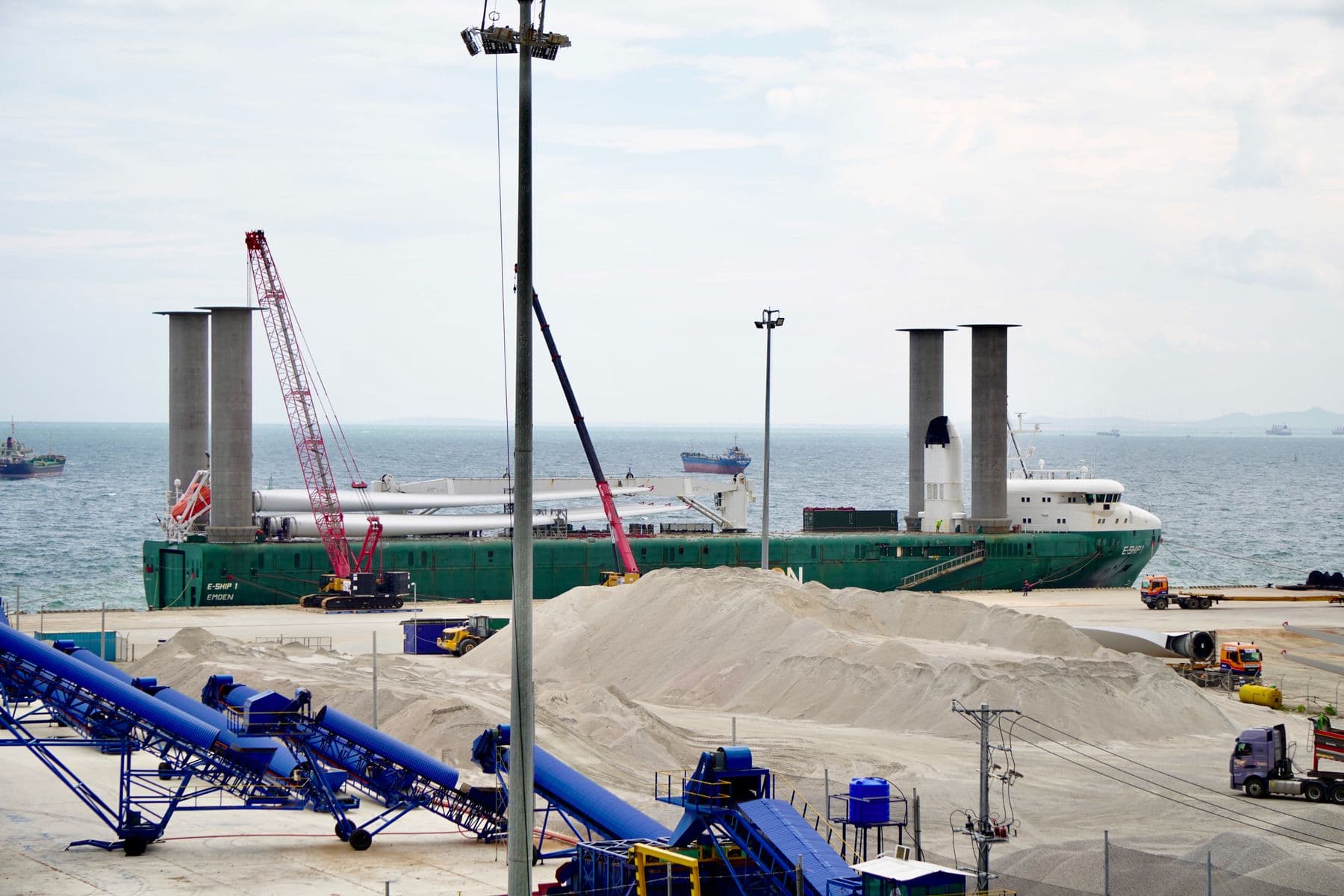
Where the ground product is used
These uses apply after processing. They describe slag cement, not the raw granule in a ship’s hold.
- Supplementary cementitious material in concrete, where the project specification calls for slag cement.
- Blended hydraulic cements produced under the standards the cement plant follows.
- Durability-oriented and mass-concrete mixes specified by the engineer, not by a supplier slogan.
ASTM C989 applies to slag cement
ASTM C989/C989M is the standard specification for slag cement for use in concrete and mortars. It covers finely ground granulated blast-furnace slag and defines grades 80, 100, and 120 by slag activity index. It is a finished-product standard.
Raw GBFS is not automatically certified to ASTM C989 because it has not been ground or tested as slag cement. A processor grinds the granule and tests the finished material against the standard the buyer or the project requires. Related guidance for the use of slag cement in concrete is discussed in ACI 233R.
GulfGran does not claim ASTM certification, TxDOT approval, or any other product listing. If a document of that kind exists for a finished product, it belongs to the party who produced and tested that product.
Questions on GBFS
Is the GBFS you supply already ground?
No. The core product is raw, unground granulated blast furnace slag. Grinding into GGBFS, or slag cement, is done by a qualified processor.
Does ASTM C989 certify the raw cargo?
No. ASTM C989/C989M specifies slag cement, the finely ground product, including grades 80, 100, and 120. It does not automatically apply to raw GBFS. GulfGran does not claim ASTM certification.
Will you publish a chemical specification?
Buyer acceptance windows differ. We coordinate the certificate of analysis and sample the buyer asks for. We do not invent universal oxide limits on this website.
Do you own vessels or a Houston terminal?
No. Ocean carriage, discharge, and storage are arranged with the carriers and terminals nominated for the shipment. GulfGran does not own ships or port terminals.
Send the requirement, not a guess.
Include quantity, destination, and the specification you actually buy against. We will respond by email. The form is not a price list.